Excellence in Education
“As much as some want to brag about free lunches and tampons in school bathrooms, if kids can’t read and write it doesn’t mean a darn thing.” – Peggy
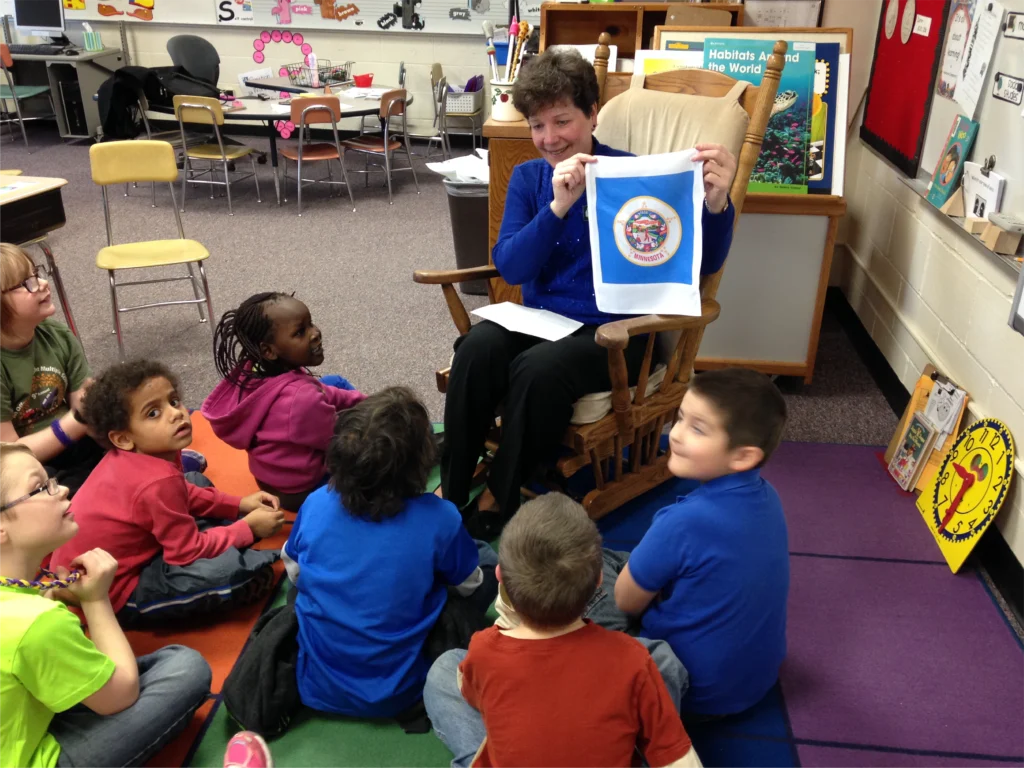
“As much as some want to brag about free lunches and tampons in school bathrooms, if kids can’t read and write it doesn’t mean a darn thing.” – Peggy
PROBLEM: A majority of Minnesota students are failing at basic academics.
Children cannot learn math, science, or any other subject if they are unable to read, yet less than half of Minnesota students can read at grade level, and math and science even worse. This deficit is magnified for children in our urban core communities.
Education is one of the most powerful equalizers, and most of our students are losing out. We could solve so many issues if we get our education system fixed. Solid statistics show that, if a student graduates from high school being able to read and write, they are highly unlikely to end up in poverty or the judicial system.
Student academics in Minnesota have been declining since 2013. It’s clear that current strategies, which have driven our schools for years, are NOT working. With so much extra funding, why are we failing our kids? We have an education system that has long since abandoned academics for agendas and using strategies that do not work. It’s destroying our children’s futures. We cannot afford to respond to this educational crisis with modest reforms. For the sake of our children, we must respond with bold leadership and urgency.
SOLUTION:
- Create more educational opportunities for low-income, working-class, and immigrant families by opting Minnesota into the federal tax-credit scholarship provision. This will provide scholarships for low-income, working-class, and immigrant families to attend non-public schools or receive educational services like tutoring, with no direct cost to the state’s public education budget.
- Create an office of innovation and academic success within MDE to redirect the primary agency focus on core academics like reading, writing, math, and science. We must focus on the basics first.
- The huge number of state mandates upon our local schools, many unfunded, have created higher local property taxes, some cause dissension among local communities, and tie hands of local educators to innovate. Every school mandate must be reevaluated for effectiveness and for its cost to schools in time and funding. We will get rid of the mandates that aren’t working, make sure the effective ones are funded, and return local control to our local educators and school boards.
- Fair and flexible funding, and fund schools over state agencies
- Refocus our state’s commitment to the proven Science of Reading and bring back the fundamental belief that every child has the right to read.
- Create a third-grade retention policy to ensure students will not advance if they are not reading on grade level – with obvious adjustments for diagnosed learning disabilities. All stats show that reading proficiency by third grade is critical.
- Bring back Minnesota’s Graduation Required Assessment for Diploma (GRAD) to require specific reading and math scores to receive a high school diploma.
PROBLEM: Children in urban core communities are stuck in school systems that have been failing them forever.
Despite our state increasing education spending by 65% over the last 15 years, Minnesota continues to face one of the worst achievement gaps in the nation when comparing student performance across different racial, ethnic, and socioeconomic groups. Despite state and federal governments pouring huge amounts of extra funding into schools for at-risk students, there is no distinguishable improvement. We are clearly funding strategies that are not working. Our most vulnerable children are paying the cost by being left behind in hopelessness with no opportunity for success. Many of these children are in our urban core communities and they are stuck in failed school systems through no fault of their own. With few exceptions, a poor education locks children into future poverty and hopelessness as adults. This situation isn’t just unfair – it’s cruel! These kids and their families don’t have time to wait for us to get education fixed in Minnesota – they need more education opportunities, and they need them now.
SOLUTION:
- Create a School Enrollment Options program: Students in schools where less than 60% of students are proficient in reading or math would have the option to enter the School Enrollment Options program where an education savings account is created for that child, allowing the family to choose a school that best meets the educational needs of their child.
- Create more educational opportunities for low-income, working-class, and immigrant families by opting Minnesota into the federal tax-credit scholarship provision. This will provide scholarships for low-income, working-class, and immigrant families to attend non-public schools or receive educational services like tutoring, with no direct cost to the state’s public education budget.
- Refocus our state’s commitment to the proven Science of Reading and bring back the fundamental belief that every child has the right to read.
PROBLEM: One quarter of Minnesota students are chronically absent from school.
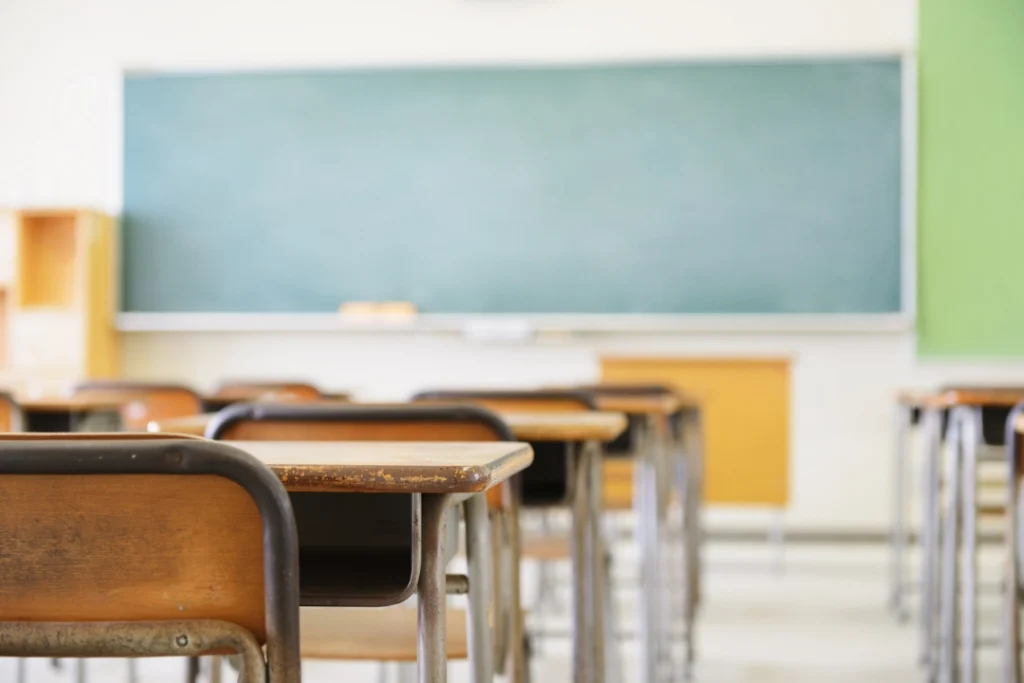
Chronic absenteeism (when a student is absent 10% or more of the school year) was already a problem well before the pandemic. Minnesota’s forced pandemic lockdowns simply put it into overdrive. Our most current data (2023-24) show that 24.5% of Minnesota students are chronically absent. All types of school districts have been affected, but urban and low-income schools face the greatest challenges. We must enable a system that creates relevance and opportunity for students and their families. If kids aren’t attending, they’re not learning.
SOLUTION:
- Solutions must include a balance between positive changes and support, along with high expectations and appropriate consequences that hold truant students and their parents accountable.
- Instruct the Minnesota Department of Education (MDE) to make student attendance a focus. Create a state platform for real time attendance data so we can adequately track attendance and the effectiveness of attendance programs in real-time instead of using two-year-old data.
- Provide more educational opportunity by presenting students with additional pathways to graduation – apprenticeships, on-the-job training, dual credit courses, trades education, and more. Education must be practical, authentic, and applicable so young people will be motivated to be a part of it.
- Allow families to choose the education platform that fits their child’s needs by opting Minnesota into the federal tax-credit scholarship provision. This will provide scholarships for low-income, working-class, and immigrant families to customize education to make it relevant and effective for their child with no direct cost to the state’s public education budget.
PROBLEM: Allowing biological males to compete in female school sports is neither fair nor safe.

Girls/women have separate athletic sports teams for a reason and it’s obvious: the female body is physically and biologically different than the male body. Just look at the Minnesota State High School League record books, where you’ll find major differences between top scores in the boys and girls divisions, and you’ll see the proof. Male bodies outperform female bodies. Allowing biological males to compete as females against young women and girls destroys the fundamental concept of what makes athletic competition fair and safe.
Title IX was never meant to enable biological males with a different sense of gender to compete on female teams. Girls who have worked their entire lives to achieve a high level of skill in a sport have had their efforts dashed and literally taken away by a boy. This is neither right nor fair to our girls. We must preserve girls’ sports.
SOLUTION:
- Sex-separated athletic teams and facilities.
- Athletic teams must be determined based on sex – male and female biology – rather than a person’s sense of gender.
- All athletes are welcome to participate in sports, and will participate in the sport that aligns with his or her biological sex assigned at birth
PROBLEM: Student behavior is out of control, unsafe, and obstructs learning for all.
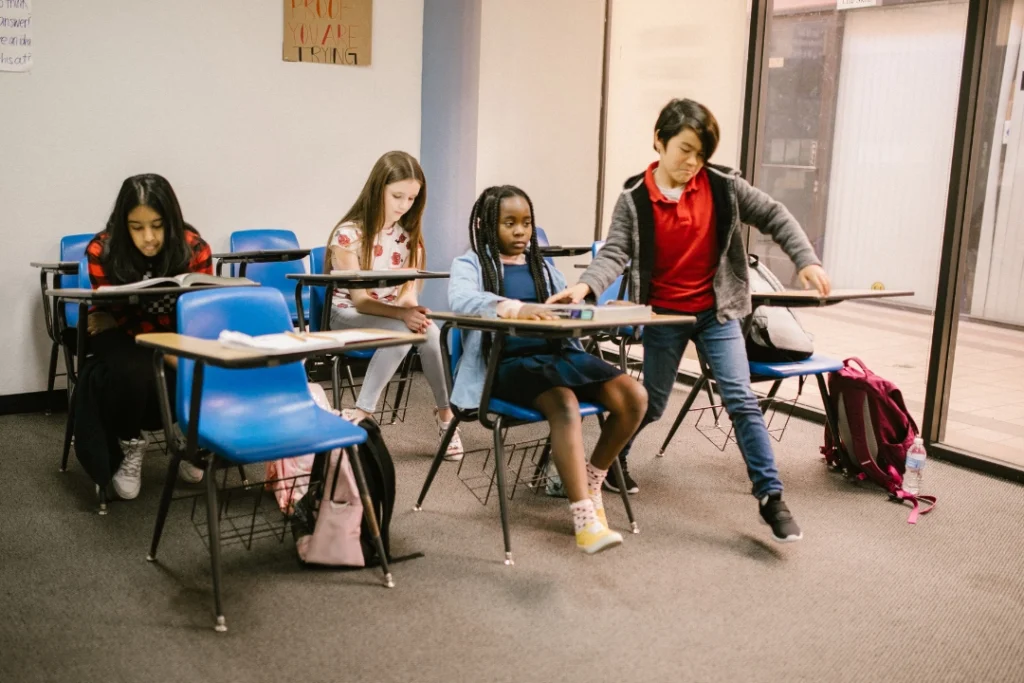
A culture of chaos in our Minnesota schools has taken over what should be a culture of safety and support. We have seen the lowering of behavior standards and the removal of meaningful consequences for misconduct throughout Minnesota schools. Now we have unchecked student behavior allowing classrooms to be trashed, students to be bullied and assaulted, teachers stabbed with pencils, chairs thrown across rooms, and more – not to mention all students losing out on hours of instructional time. The idea that you cannot even reasonably restrain a student when they have uncontrollable behavior, allowing them to destroy a school room or run rampant through the halls, defies common sense – and that’s what we need to get back to in school discipline: commons sense.
SOLUTION:
- Create an expectation that schools will set and enforce high standards for student behavior.
- No matter where students come from, their background, or skin color, behavioral expectations and consequences should be the same. Make the truth clear that all students can achieve high behavioral standards regardless of their skin color or socio-economic background. Set high expectations and create strategies to help teach struggling students how to reach those expectations.
- Unlock local control by reducing statewide discipline mandates that tie the hands of local educators and allow local school boards, educators, and parents who know their students best to set and enforce appropriate boundaries and consequences for bad behavior.
PROBLEM: Many schools are vulnerable to violent bad actors bent upon harming students and staff.
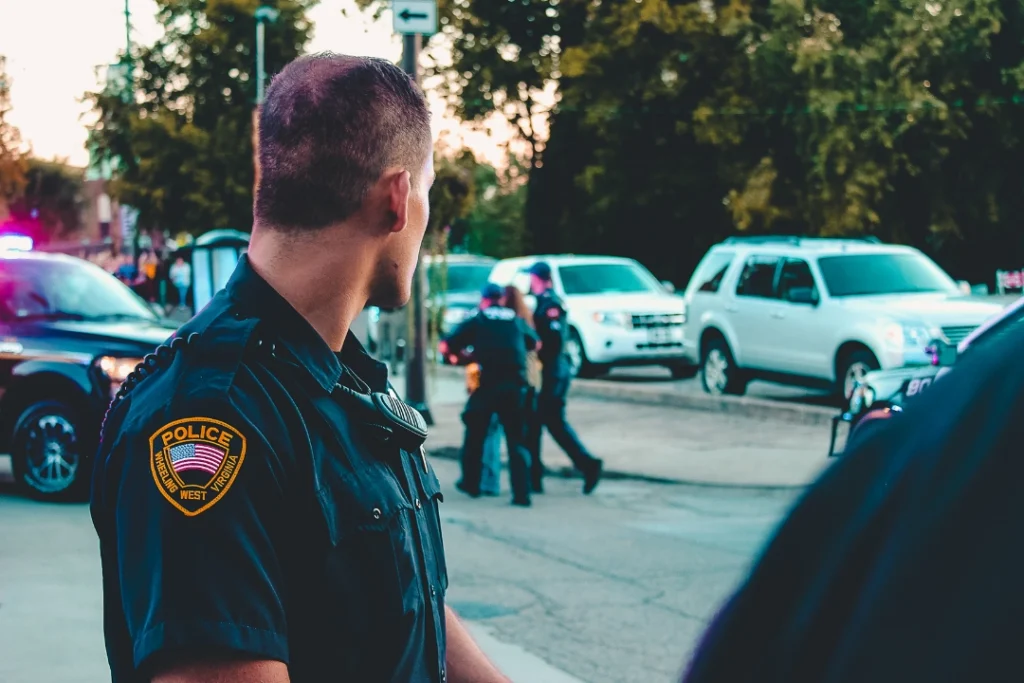
Sadly, most of our schools are “target-rich” environments. This gives bad actors opportunity to harm or kill staff and students and create an environment of fear. We must turn target-rich buildings into target-less buildings though reasonable, common-sense solutions that have been proven to work. In addition to helping schools create “target-less” buildings, we must address mental health access and get tougher on criminals who break gun laws.
SOLUTION:
- Expand Safe Schools funding to include public, charter, non-public, and tribal contract schools
- Create a standard based, tiered school safety plan with funding grants (such as the Offer Safe Haven in Every Local District (SHIELD) Act grants) to help schools implement integrated security systems. An integrated security system provides comprehensive, multilayered security systems and training that are intended to alert, detect, and deter threats.
- A School Resource Officer (SRO) for every school that wants one.
- School linked mental health grants. These grants help fund partnerships between local mental health services and school districts through contracted services.
- Start enforcing and prosecuting current gun laws and increased minimum sentences for repeat gun crimes.
- More funding for mental health beds and create regional mental health facilities.
Make Your Voice COunt!
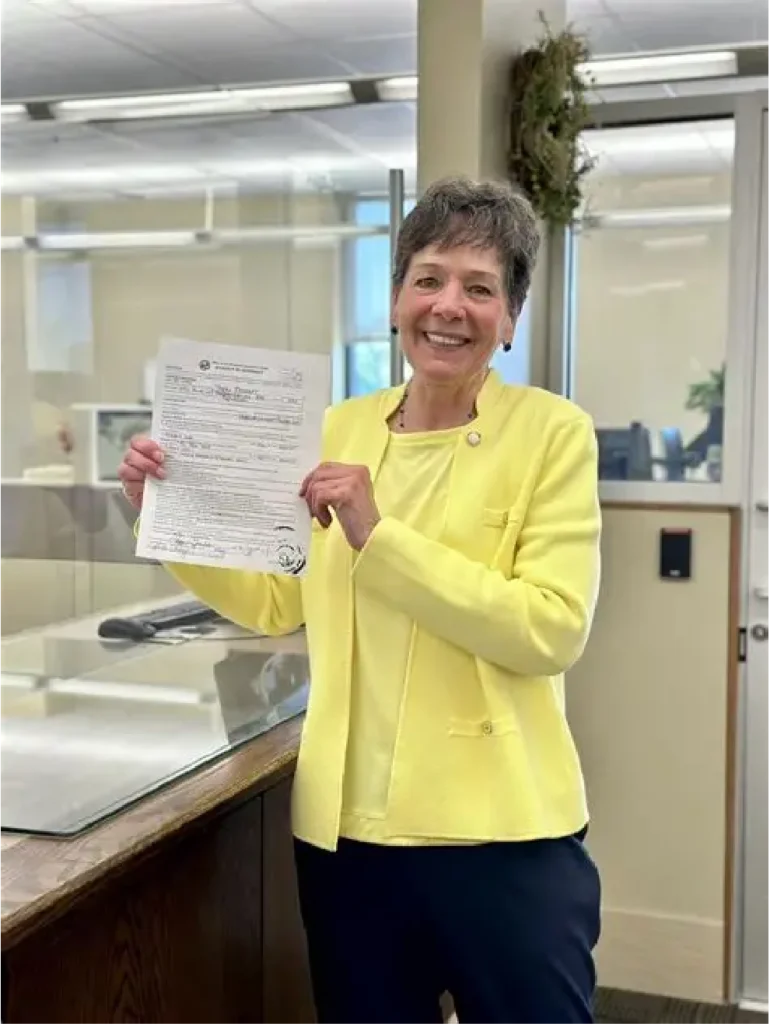
Your voice matters—and it can help shape the future of Minnesota. By getting involved or supporting our efforts with a contribution, you’re standing up for honest leadership, common-sense solutions, and a state that truly works for its people. Together, we can bring real change to Minnesota.